
NHL Prop Betting Guide: Finding Value in Player and Game Propositions
 Available in US
There is a reason prop betting has exploded in popularity over the past decade. Traditional betting asks you to predict who wins or by how much. Prop betting asks different questions entirely, questions that sometimes have clearer answers if you know where to look. Will Connor McDavid score a goal tonight? Will this game see a first-period goal? Will the starting goaltender make more than twenty-eight saves? These wagers turn hockey games into dozens of individual betting opportunities, each with its own dynamics and potential edges.
NHL prop betting guide at hockey bets.
The growth of daily fantasy sports trained an entire generation of bettors to think about individual player performance. That mindset translates directly to prop betting. You analyze matchups, recent form, ice time, line combinations, and special teams deployment. The skills overlap substantially. But prop betting has advantages fantasy cannot match. You control your exposure, you can target specific situations you understand well, and you avoid the salary cap puzzle that sometimes forces fantasy players into suboptimal lineups.
What makes hockey prop betting particularly interesting is how much individual games can vary based on factors the public often overlooks. A player’s production against one team might differ dramatically from his production against another. Goaltenders face wildly different shot volumes depending on opponents. Game flow influences everything from shot totals to penalty minutes. These variations create inefficiencies that informed bettors exploit.
This guide covers the major prop betting markets in NHL wagering, from straightforward player props to more exotic game propositions. More importantly, it explains how to think about these bets analytically rather than treating them as entertainment side action. Props deserve the same rigorous analysis as moneylines and puck lines. When approached seriously, they offer some of the best value available in hockey betting.
Understanding Player Prop Markets

Player props focus on individual statistical performance within a game. The most common markets include goals, assists, points, shots on goal, and for goaltenders, saves. Each market has distinct characteristics that influence how you should analyze and bet them.
Goal-scoring props are the most popular because goals are exciting and easy to understand. You might see Auston Matthews listed at over zero point five goals at minus one hundred twenty, meaning you need to lay juice to bet he scores at least one goal. Alternatively, you could take under zero point five goals at even money, betting he gets blanked. The odds vary based on the player’s scoring ability and the matchup, with elite scorers priced more expensively than depth players.
The challenge with goal-scoring props is variance. Even the best scorers in the league only find the net around twenty percent of games on average. A player who scores fifty goals over eighty-two games is scoring in fewer than half his appearances. This high variance means short-term results tell you less than you might expect. A cold stretch does not mean a player has lost his ability, and a hot streak does not guarantee continued production.
Finding value requires matchup-specific analysis rather than relying on season averages. How does this player perform against this specific opponent? What is his history against this goaltender? Does the opposing team’s defensive structure create opportunities for the type of chances this player generates? A sniper who scores primarily on one-timers might struggle against a team that limits cross-ice passes, while a net-front presence might thrive against a team that struggles to clear rebounds.
Shot props offer lower variance than goal props because shots happen more frequently. A player who averages three shots per game will hit that number more consistently than a player who averages zero point four goals. The trade-off is that odds on shot props tend to be sharper because the outcomes are more predictable. Finding edge requires deeper analysis of how matchups affect shot generation.
Ice time drives shot production substantially. A player on the first line and top power play unit sees more minutes in offensive situations than a third-line player with no special teams role. But ice time varies based on game flow. In blowouts, coaches often shorten benches or rest key players. Close games see top players logging heavy minutes. Anticipating game flow helps predict which players will have opportunity to hit their shot totals.
Assist and point props combine multiple outcomes and thus sit somewhere between goals and shots in terms of variance. A player can record a point by scoring or assisting, which doubles his opportunities compared to goal props alone. This makes point props more reliable for consistent producers who contribute in multiple ways. Playmakers who rarely score but generate assists become more interesting in point markets than goal markets.
Goaltender Props and Save Totals
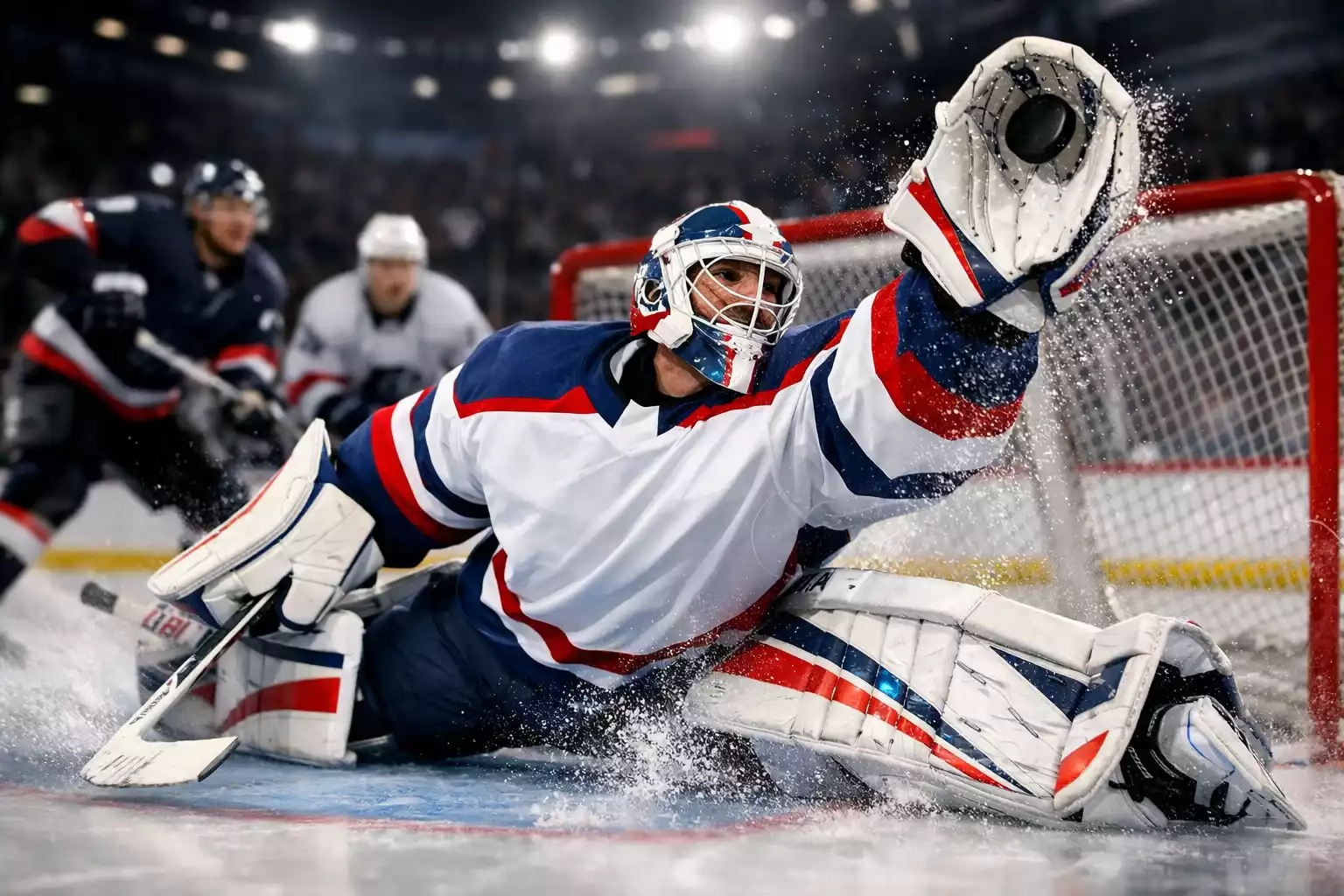
Goaltender props center on saves, wins, and shutouts. The saves market is most popular and offers genuine analytical opportunity because save totals depend heavily on the opponent’s offensive tendencies.
See also NHL betting odds explained.
A goaltender facing the Colorado Avalanche will typically face more shots than one facing the Buffalo Sabres. This seems obvious, but the market does not always price opponent quality correctly. If a mediocre goaltender draws an over-under of twenty-seven point five saves against an elite offensive team, while an elite goaltender faces the same line against a weak offensive team, the former might offer more value despite the goaltender quality difference.
Pace of play matters beyond simple team quality. Some teams generate high shot volumes without necessarily being elite offensively because they prioritize quantity over quality. Others take fewer shots but from more dangerous locations. A goaltender facing a high-volume, low-quality shooting team will record more saves than his save percentage might suggest because he faces more attempts with higher success probability on each one.
Game context influences save totals dramatically. In blowouts, the trailing team takes more desperate shots while the leading team coasts, often resulting in higher save totals for the winning goaltender. Close games tend to feature more conservative play, potentially suppressing shot attempts and thus saves. If you can anticipate game flow, you can better predict where save totals will land.
Back-to-back situations affect save props unpredictably. The goaltender playing the second game is usually a backup with less experience and potentially shakier performances. This might seem like an under play on saves since bad goaltenders allow more goals on fewer shots. But backups also often face more shots because opponents attack more aggressively against perceived weakness. These cross-cutting factors make back-to-back goalie props particularly interesting for sharp analysis.
Anytime Goal Scorer Bets
The anytime goal scorer market has become enormously popular because it offers action on specific players with straightforward outcomes. You bet on whether a named player will score at least one goal during the game, with odds varying based on the player’s scoring ability and the matchup.
Elite scorers like Matthews, McDavid, or Leon Draisaitl typically price around plus one hundred twenty to plus one hundred sixty. Good second-line scorers might be plus two hundred to plus three hundred. Depth players and defensemen often range from plus four hundred to plus eight hundred or longer. The odds attempt to reflect each player’s probability of scoring based on historical rates.
Finding value means identifying discrepancies between market odds and true probability. A player with plus five hundred odds implies roughly sixteen percent scoring probability. If your analysis suggests he has a twenty percent chance based on matchup factors, ice time projection, and recent form, that is a value bet. The math is straightforward even if the analysis required to identify edges is not.
Power play deployment is crucial for anytime scorer analysis. Players on the top power play unit get premium offensive opportunities with extra time and space. If a team is playing an opponent that takes frequent penalties, their power play players have increased goal probability. A second-liner with heavy power play time might have better scoring odds than a first-liner who plays exclusively at even strength.
Recent form matters but requires context. A player on a five-game goal drought might be due for positive regression if his shot volume and chance quality have remained strong. Conversely, a player who has scored in three straight games might be running hot relative to his underlying process. Looking beyond results to process indicators like shots, expected goals, and scoring chance involvement gives clearer pictures than goal totals alone.
Line combinations shuffle constantly in the NHL, and these changes impact individual scoring probability. If a player gets promoted to play with elite linemates, his odds might not adjust quickly enough. Similarly, if a top scorer loses his usual center to injury and draws a replacement with inferior playmaking, his scoring probability drops even if his overall talent has not changed.
Game Props and Period Betting
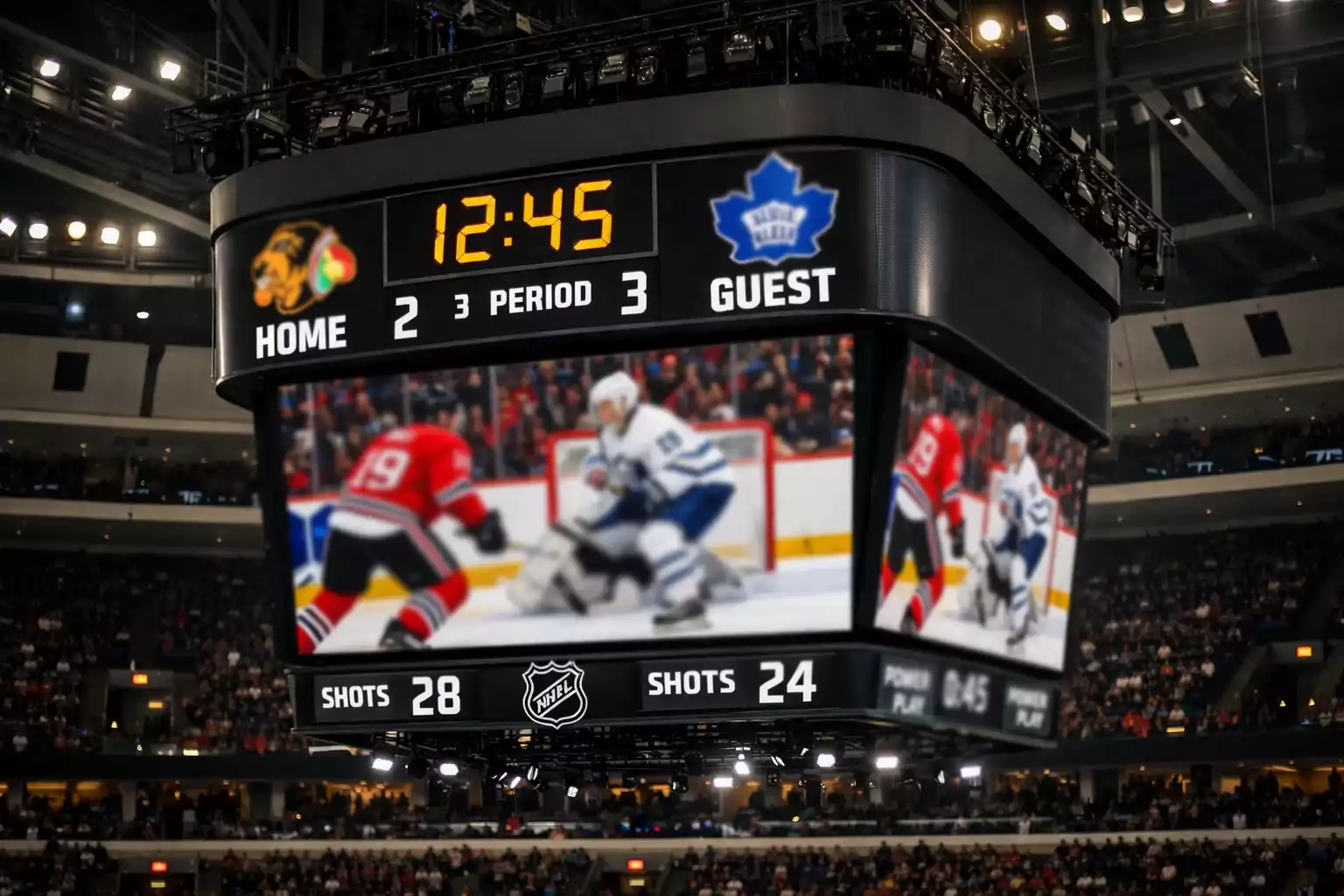
Beyond individual player performance, prop markets exist for team and game-level outcomes that do not involve predicting the winner directly.
First goal scorer bets ask you to identify which specific player will score the opening goal of the game. These markets are extremely high variance but offer substantial plus-money payoffs. Odds typically start around plus six hundred for favorites to score first and extend to plus three thousand or longer for unlikely candidates. The randomness is extreme, but systematic edges might exist for players who consistently generate early chances or face opponents who start slowly.
Team to score first asks simply which team will get on the board initially without requiring you to name the specific scorer. This market is less volatile than first goal scorer and prices more reasonably. Teams with aggressive forechecking systems or strong power plays tend to score first more often than passive teams. Home ice advantage influences first goals because home teams often control puck drops and can establish territorial advantage early.
Period betting allows wagers on outcomes within specific twenty-minute segments rather than the full game. You can bet on which team wins each period, the total goals in each period, or whether both teams score in a given period. First period unders historically have value because teams often play conservatively early, feeling out opponents before opening up. Third periods can go either way depending on score context, with trailing teams pressing and leading teams protecting.
Both teams to score is a simple yes-or-no market on whether each team finds the net at least once. Games featuring competent goaltenders and balanced teams almost always see both teams score. Shutouts are rare enough that no props at typical juice rates often represent poor value. The interesting situations are mismatches where elite goaltenders face weak offenses, creating genuine uncertainty about whether both sides will score.
Race to certain goal totals offers bets on which team will reach specified thresholds first. Will the home team or away team score two goals first? Three goals? These markets force you to predict not just who scores more, but the pace at which each team generates offense. Fast-starting teams have advantages in race markets even if they do not necessarily win more games outright.
Building a Prop Betting Strategy

Random prop betting is entertainment. Systematic prop betting is potentially profitable. The difference comes down to process, record-keeping, and honest evaluation of results.
Specialization beats broad coverage for most bettors. Rather than trying to find edges across every prop market, focus on one or two areas where you can develop genuine expertise. Maybe you become excellent at predicting goaltender save totals. Maybe you develop models for anytime goal scorer probabilities. Deep knowledge in a narrow area beats shallow knowledge across many areas because the effort required for genuine edge is substantial.
Track every bet in detail. Record not just the outcome but your reasoning, the odds you received, and what factors influenced your decision. Over time, patterns emerge. You might discover that your goalie save analysis is strong but your goal scorer picks underperform. Without data, you are guessing about your strengths. With data, you can allocate more of your bankroll to proven areas of competence.
Line shopping matters enormously for props because books price these markets with wider variance than standard sides and totals. One book might have a player at over two point five shots at minus one hundred thirty while another has the same prop at minus one hundred ten. These differences compound over many bets into significant value. Having accounts at multiple books and checking all of them before betting is essential practice.
Beware of correlated props within the same game. If you bet a player to score and also bet his team to score first, those outcomes are positively correlated. If he scores the opening goal, you win both bets. If he does not score and his team gets shut out early, you likely lose both. Same-game parlays on correlated props can make sense when properly priced, but treating them as independent events leads to poor risk management.
Manage your bankroll more conservatively on high-variance props. Goal scorer bets and first goal scorer bets have enormous swings because the outcomes are inherently unpredictable in small samples. Even if you have edge, you will experience brutal losing streaks. Sizing these bets smaller as a percentage of your bankroll smooths the volatility and keeps you solvent through inevitable downswings.
Advanced Prop Analysis Techniques
Serious prop bettors go beyond basic statistics to find edges the market misses.
Tracking shot quality metrics like expected goals and high-danger chances reveals more about player performance than raw statistics. A player with twenty shots but only one goal might seem cold, but if those shots came from low-danger areas, he was never likely to score much. Conversely, a player with eight shots and two goals might be running hot if those shots came from premium locations where he should have scored three times based on expected value.
Opponent adjustments matter differently for different prop types. For goal scorer props, opposing goaltender performance is crucial. A backup goaltender with a below-average save percentage increases everyone’s scoring probability. For shot props, opponent defensive structure matters more. Teams that clog shooting lanes reduce shot volumes regardless of goalie quality.
Situational splits reveal hidden edges. How does a player perform at home versus on the road? In day games versus night games? On the front end of back-to-backs versus rested? These splits might seem like noise, but some players have genuine performance differences based on context. Finding players whose situational advantages are not reflected in market odds creates sustainable edge.
Coaching tendencies affect prop outcomes. Some coaches ride hot players with extended ice time while others stick rigidly to rotation. Some deploy their best players in garbage time even during blowouts while others rest them. Understanding how coaches manage their rosters helps predict who will get opportunity to produce the statistics props require.
Injuries to teammates create opportunities. When a team’s leading scorer goes down, someone else takes his power play spot and inherits premium opportunities. The market might not adjust that player’s odds quickly enough. Similarly, defensive injuries might inflate save totals for opposing goaltenders or increase goal-scoring chances across the board.
The Mental Game of Prop Betting

Props carry psychological challenges that differ from traditional betting. The variety of markets creates temptation to bet more than you should. The entertainment value of sweating individual player performances can cloud analytical judgment. Managing these psychological factors is part of becoming a successful prop bettor.
Resist the urge to bet props on every game. The sheer number of available markets makes it feel like you are missing opportunities by passing, but undisciplined betting on marginal situations erodes bankroll quickly. Treat props like any other bet. If you do not have a clear analytical reason to believe you have edge, do not wager.
Avoid letting rooting interests drive prop selection. It is fun to bet that your favorite player will score, but that emotional attachment biases your analysis. The best prop bettors are agnostic about outcomes. They bet on players they might not even like if the numbers support it, and they pass on players they love when the market offers no value.
Understand that variance in props is extreme. A skilled prop bettor might have a profitable season while still losing money in many individual months. The swings are wilder than moneyline or spread betting because individual props have lower probability outcomes. Patience and long-term thinking are essential for psychological survival.
Do not chase losses by increasing prop bet sizes. After a losing week, the temptation is to double down on next week’s props to recover quickly. This approach is mathematically and psychologically ruinous. Stick to consistent unit sizing regardless of recent results and let your edge manifest over proper sample sizes.
The discipline required for profitable prop betting is substantial, but the rewards justify the effort for those willing to put in the work. Props offer markets that receive less sharp attention than standard sides and totals. They allow you to leverage specialized knowledge about individual players and specific game situations. They provide action on aspects of hockey that moneyline bets cannot touch. For analytical bettors who enjoy deep dives into matchup data and player performance, the prop betting landscape offers fertile ground for finding genuine betting edge.
Developing Long-Term Prop Betting Excellence
Becoming truly proficient at prop betting takes seasons, not weeks. The learning curve is steep because you need to understand not just hockey but how sportsbooks price these specialized markets and where their models fall short.
Start with a narrow focus and expand gradually. Pick one prop type that interests you and develop deep expertise before branching out. If you choose save totals, learn everything about goaltender workloads, opponent shot tendencies, game flow impacts, and how books set their lines. Become the most knowledgeable person you know about that specific market. Only after achieving consistency should you add other prop types to your repertoire.
Build relationships with information sources that give you early edges. Following beat reporters who break lineup news quickly can give you minutes of advantage before markets adjust. Tracking practice reports helps you anticipate scratches and lineup changes. In prop betting, information asymmetry creates some of the clearest edges available, and cultivating sources is part of the craft.
Review your bets systematically at regular intervals. Monthly reviews help you identify what is working and what is not before too much damage accumulates. Seasonal reviews provide perspective on whether your overall approach is sound or needs fundamental adjustment. The best prop bettors are relentless self-evaluators who never stop refining their process.
Connect with other serious bettors to share insights and challenge your assumptions. A community of analytical minds sharpens everyone’s thinking. You will discover blind spots in your analysis that you never would have found alone. You will learn techniques and perspectives that accelerate your development. Betting can be isolating, but it does not have to be, and the bettors who engage with communities often improve faster than those who work entirely alone.
The prop betting landscape continues evolving as sportsbooks improve their models and new markets emerge. Staying curious, adapting to changes, and continuously learning keeps you competitive in a field where complacency leads to obsolescence. The work never ends, but for those who love the analytical challenge of predicting individual player and game outcomes, the work itself is reward enough even before the profits arrive.
