
Live NHL Betting Tactics: Winning Strategies for In-Play Hockey Wagering
 Available in US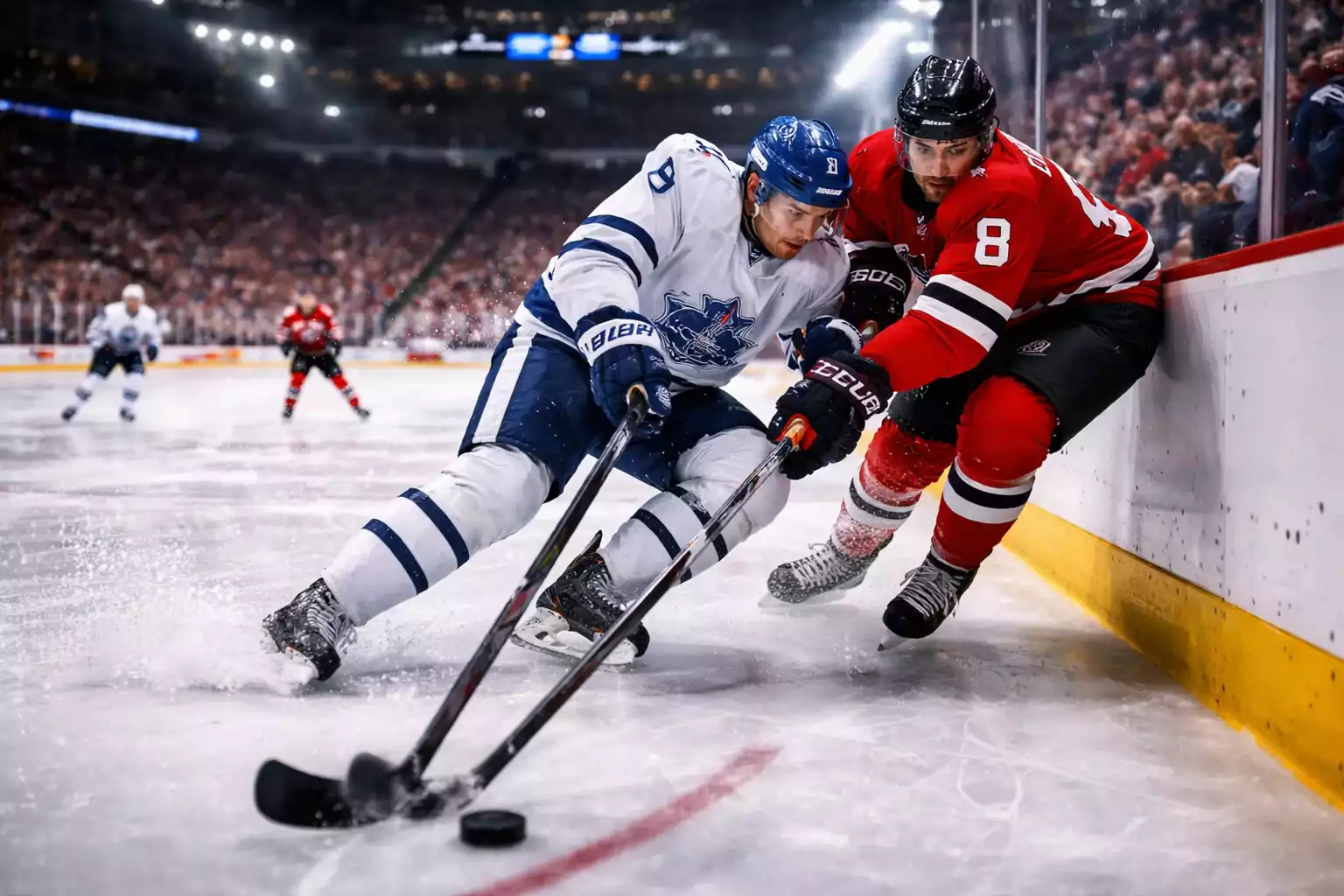
The puck drops and suddenly everything changes. Pregame analysis becomes historical context rather than actionable intelligence. What matters now is what you see unfolding in real time, the momentum shifts and scoring chances and penalty calls that determine outcomes. Live betting transforms hockey from a spectator sport into an interactive experience where your ability to read the game translates directly into betting opportunity.
Most bettors treat live betting as entertainment, throwing money at teams they like when something exciting happens. This approach guarantees losses over time because emotional reactions rarely align with value. But for bettors who develop systematic approaches to in-play wagering, live betting offers edges that pregame markets cannot match. You have information the opening lines did not have. You can see how the game is actually playing out rather than guessing how it might play out. That information advantage, properly leveraged, creates genuine profit potential.
Hockey is uniquely suited to live betting because of its continuous flow and rapid momentum changes. Unlike football with its discrete plays and long pauses, or baseball with its deliberate pacing, hockey moves constantly. Advantages swing back and forth within periods. A team dominating shot attempts might trail on the scoreboard. A team clinging to a lead might be outplayed but fortunate. These disconnects between process and outcome create the inefficiencies live bettors exploit.
This guide covers the tactical framework for profitable live NHL betting. We will examine how live odds work, what signals to watch for, when to bet and when to wait, and how to manage the unique psychological challenges of real-time wagering. The goal is not to turn every game into a betting frenzy but to identify the specific situations where live betting offers value that pregame positions cannot capture.
How Live NHL Betting Markets Function
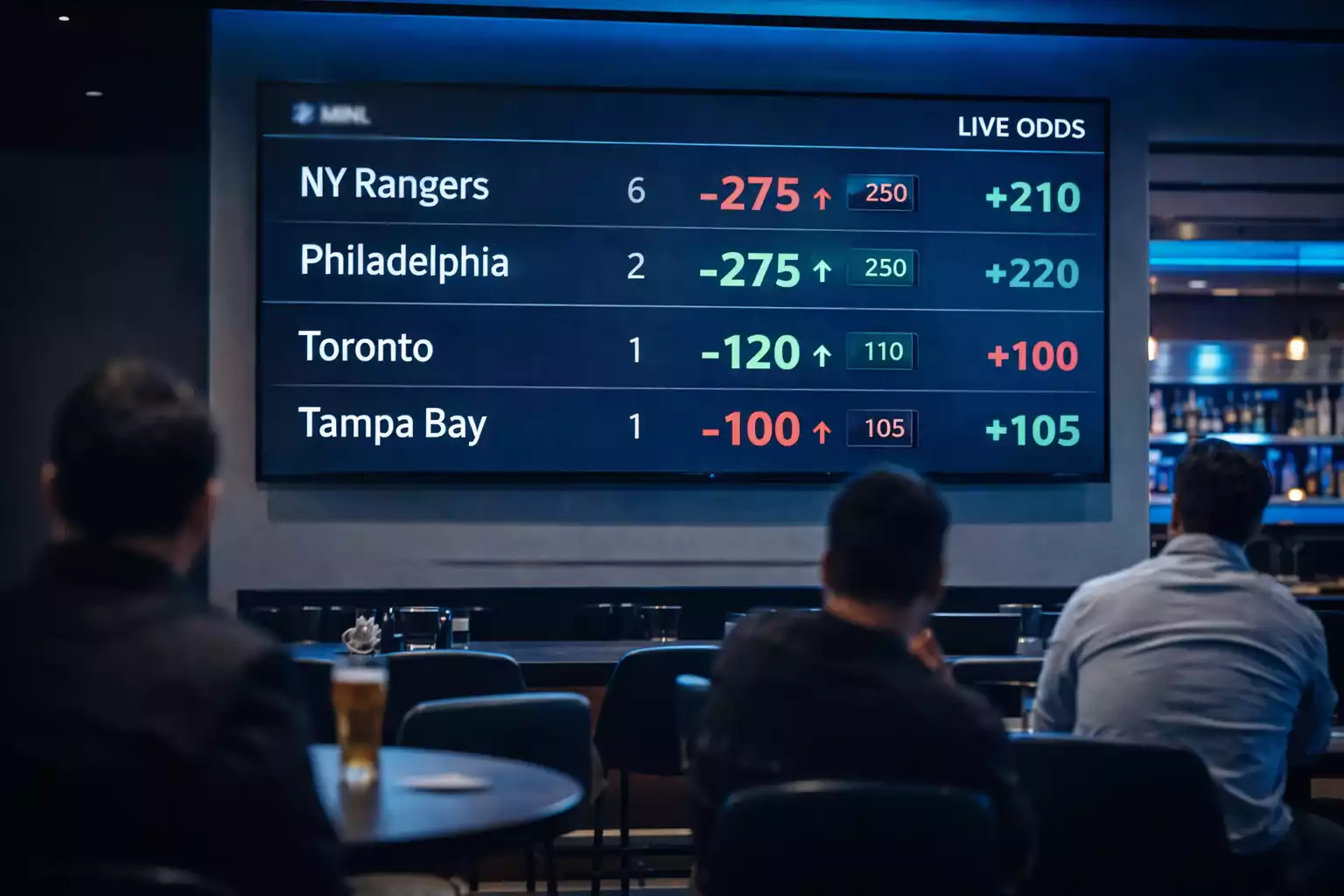
Understanding the mechanics of live betting helps you navigate its opportunities and pitfalls. Live markets operate differently than pregame markets in ways that affect strategy significantly.
Live NHL betting tactics at hockey bets.
When a game begins, sportsbooks open live betting markets that remain available throughout the contest. Odds update continuously based on the score, time remaining, and the book’s assessment of game flow. A team favored at minus one hundred forty pregame might be minus two hundred after scoring first, or plus one hundred twenty after falling behind. These adjustments happen in real time, often shifting every few seconds during active play.
Markets pause briefly when significant events occur. After goals, during penalty kills, and sometimes during stoppages, live betting locks while the book recalibrates. This prevents bettors from exploiting the split-second lag between events happening and odds adjusting. The pauses are brief, usually thirty seconds to two minutes, before markets reopen with updated prices.
The speed of live betting creates both opportunity and danger. Opportunity exists because odds cannot perfectly reflect every nuance of game flow. The models driving live odds are sophisticated but imperfect. A team might be generating dominant possession without scoring, creating a situation where their live odds are longer than their true win probability justifies. Danger exists because acting quickly often means acting emotionally. The pressure to bet before prices move can override careful analysis.
Live betting juice is typically higher than pregame juice. Sportsbooks charge a premium for the convenience and information advantage of betting with game knowledge. Where pregame sides might be minus one hundred ten each, live sides might be minus one hundred fifteen or minus one hundred twenty. This increased vig means you need a larger edge to profit. Do not assume that information advantage automatically overcomes the higher cost of live betting.
Different sportsbooks update their live odds at different speeds and with different models. Shopping live lines matters just as much as shopping pregame lines, though the practical challenge is greater because prices change so quickly. Having multiple sportsbooks open simultaneously lets you compare and capture the best available price when you identify value.
Reading Game Flow for Betting Signals
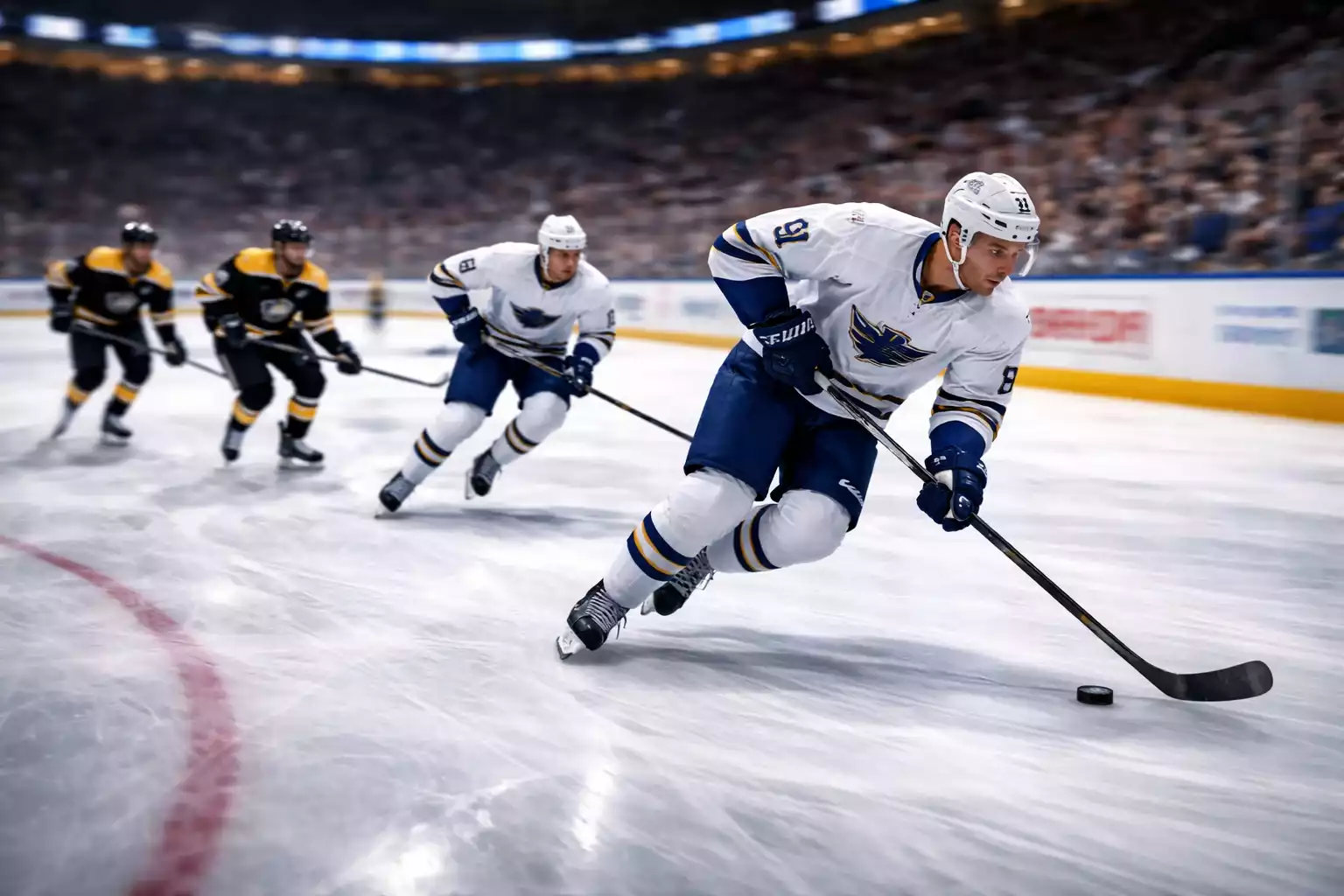
The core skill of live betting is reading game flow accurately and faster than the market. This requires watching games actively rather than checking scores periodically, and it requires knowing what to look for.
Shot attempts are your primary objective indicator of game flow. A team generating significantly more shot attempts than their opponent is controlling play regardless of the score. The live odds models account for shots to some degree, but they often lag the reality visible on ice. When you see one team pinning their opponent in the defensive zone repeatedly, their live moneyline often offers value even if the score is level or against them.
Quality of chances matters beyond raw shot volume. Not all shots are equal. A team generating slot chances and rebounds poses more threat than a team throwing pucks at the net from the perimeter. Watching where shots originate helps you assess whether shot volume reflects genuine danger or misleading noise. Five high-danger chances matter more than fifteen shots from the blue line.
Momentum within periods reveals betting opportunity. Hockey features distinct momentum swings where one team controls play for extended stretches. A team that has dominated the last eight minutes of a period but trails by one goal might offer value heading into an intermission. The market often overweights the current score without fully appreciating the process that produced it.
Goaltender performance provides real-time information unavailable pregame. Is the starting goalie sharp or shaky? Are saves looking routine or desperate? A goalie who appears uncomfortable, fighting pucks and struggling with rebound control, might be due for regression even if he has not allowed goals yet. Conversely, a goalie who looks dialed in might steal a game his team does not deserve to win.
Special teams situations create immediate betting windows. When a team goes on the power play, their scoring probability for the next two minutes spikes significantly. Some books offer props on whether a goal will be scored during specific power plays. Even without those specific props, power play time affects how you should view live moneylines and totals.
Fatigue becomes visible as games progress. Teams playing the second night of back-to-backs often fade in the third period. Tired legs lead to slower transitions, more turnovers, and less effective forechecking. If you notice a team that competed early starting to wilt late, live betting lets you act on that observation before the score reflects it.
Strategic Frameworks for Live Betting Decisions
Having frameworks for common situations prevents emotional decision-making and creates consistency in your live betting approach.
See also goalie analysis for NHL betting.
The value disconnect framework applies when process and outcome diverge significantly. When a team is outplaying their opponent but losing, their live odds are longer than their true probability. When a team is being outplayed but winning on lucky bounces, their live odds are shorter than warranted. Identifying these disconnects and betting accordingly captures value the market misprices.
Applying this framework requires patience. Not every disconnect resolves quickly. A team dominating play might continue to trail if the goalie robs them repeatedly. But over sufficient sample sizes, process catches up with outcome. Betting good process at inflated odds produces long-term profit even when individual bets lose.
The momentum shift framework focuses on transitions within games. When you identify a clear momentum shift, whether from a big save, a momentum-building forecheck, or an energizing hit, live odds often lag the new reality. The team gaining momentum becomes underpriced briefly before the market catches up.
Acting on momentum shifts requires quick recognition and quicker execution. By the time momentum is obvious to everyone, the odds have adjusted. Your edge comes from recognizing shifts slightly faster than the market, which means developing sensitivity to the subtle cues that precede obvious momentum changes.
The schedule spot framework carries from pregame analysis into live situations. Teams on the second leg of back-to-backs often perform reasonably early before fading. If a fatigued team is leading after two periods, their live odds might not adequately reflect the third-period regression likely coming. Conversely, if they trail after two periods, their comeback probability is lower than a rested team in the same position.
The goalie confirmation framework uses early-game observation to confirm or refute pregame expectations. If you expected strong goaltending and the goalie looks sharp through ten minutes, your pregame thesis is confirmed and live positions become more attractive. If you expected struggles and the goalie looks solid, perhaps your pregame analysis was wrong and you should avoid adding exposure.
Live Totals Betting Opportunities
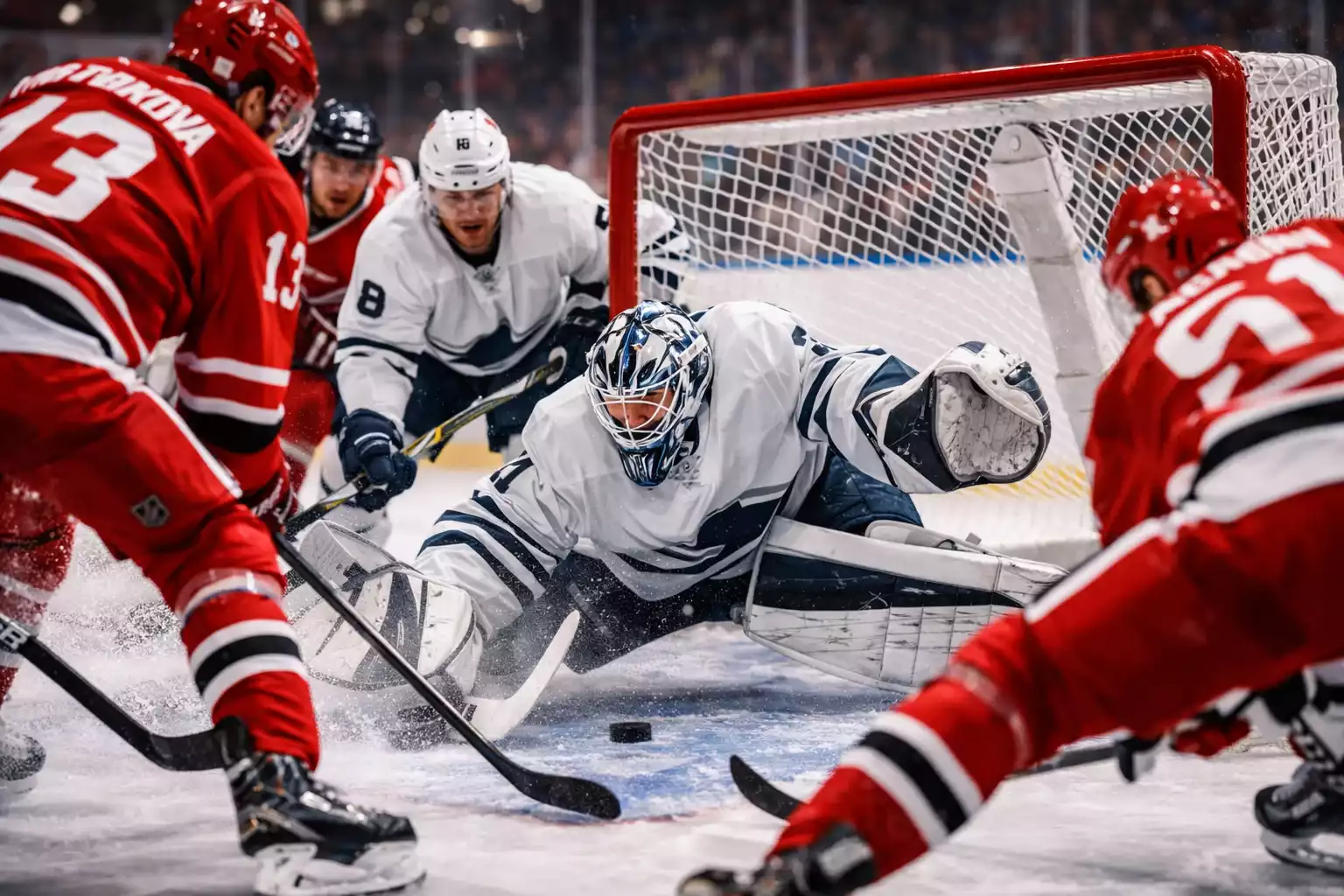
Live totals betting offers some of the clearest opportunities because scoring pace provides concrete information that pregame lines could not anticipate.
Early game scoring pace sets expectations for the remainder. A game that is two to two after one period is running ahead of typical pace and might continue producing goals. A game still scoreless after one period might feature hot goaltenders or conservative play that suppresses scoring throughout. The live total adjusts for score but sometimes overreacts or underreacts to the pace context.
Goaltender performance observed in real time improves totals prediction. If both goalies look shaky, allowing weak goals or giving up dangerous rebounds, the over becomes more attractive regardless of current score. If both goalies look impenetrable, the under gains value even in games that have seen scoring.
Third period dynamics affect totals differently than earlier periods. Leading teams often protect rather than extend, reducing their offensive output. Trailing teams press desperately, creating chances both for themselves and on the counterattack. One-goal games in the third period frequently see late scoring from either empty net goals or desperation attacks, making live overs attractive in close contests.
Power play situations create immediate totals implications. A five-on-three advantage or an extended five-on-four dramatically increases near-term scoring probability. If the live total has not adjusted sufficiently for the power play opportunity, value exists on the over for a brief window.
Situational modifiers like pulled goalies create dramatic totals opportunities. When a team pulls their goalie in the final minutes, scoring probability for the next ninety seconds increases substantially for both teams. Either the trailing team ties it or the leading team scores into the empty net. In games sitting right at the total number, pulled goalie situations often push results over.
Live Puck Line Considerations
The puck line in live betting behaves distinctively because margin outcomes depend heavily on late-game situations that might be hours away when you bet.
Early deficits create plus-money opportunities on favorite puck lines. A team that opened as minus one hundred forty favorites might be available at minus one and a half with plus two hundred odds after falling behind by one goal. If you believe that team will come back and win convincingly, the live puck line offers better value than it did pregame.
Understanding empty net dynamics becomes even more important live. As games progress into the third period, empty net probability increases for trailing teams. A team leading by one goal late might cover minus one and a half not because they dominate but because the trailing team’s goalie pull backfires. Live puck line odds late in close games should be evaluated through this lens.
Blowout recognition matters for live puck line betting. When a game reaches three to nothing in the second period, the question shifts from who wins to whether the trailing team can make it respectable. Their plus two and a half or plus three and a half might offer value if they can generate any offense in garbage time, or the leading team might continue pressing and run up the score.
Correlation between live moneyline and live puck line creates hedging opportunities. If you bet the favorite pregame and they fall behind, you might take the underdog puck line live as a hedge. If the favorite comes back to win by one, you lose the puck line but win the moneyline. If the underdog holds on or loses by just one, you win the puck line while losing the original position. Managing exposure across related markets is a sophisticated live betting technique.
Managing the Psychology of Live Betting

Live betting creates psychological pressures that pregame betting does not. The real-time nature of decisions, combined with the emotional swings of watching games, challenges even disciplined bettors.
The urge to chase is amplified live. After a bad beat or a frustrating loss, the next game is right there with live betting available. The temptation to immediately try to recover losses leads to poor decisions. Establish firm rules about maximum live bets per day or per session. Walk away when you hit your limit regardless of what opportunities seem to exist.
Confirmation bias strengthens when you are watching games you bet on. Every positive play for your team feels like vindication. Every negative play feels like injustice. This emotional engagement clouds objective assessment of whether live additions make sense. Try to evaluate live betting opportunities as if you had no pregame position, asking simply whether value exists on its own merits.
Overconfidence from watching creates an illusion of superior information. Yes, you have more information than pregame bettors did. But so does everyone else watching, including the sophisticated models driving live odds. Your edge comes from processing that information better than the market, not simply from having it. Humility about the limits of real-time observation prevents overestimating your advantage.
The speed pressure of live betting leads to mistakes. Prices move quickly, creating urgency to act before value disappears. But rushed decisions are often poor decisions. It is better to miss a bet entirely than to bet the wrong side or wrong amount because you felt pressured. Develop patience with live betting. Opportunities recur. Missing one does not mean missing all.
Fatigue degrades decision quality during long betting sessions. Live betting demands constant attention, which is mentally exhausting. After several hours of active wagering, your pattern recognition and risk assessment decline. Set time limits on live betting sessions and respect them even when you feel fine. The degradation is often invisible to the person experiencing it.
Practical Implementation Tips
Translating live betting theory into profitable practice requires attention to logistics and execution.
Technology setup matters. Have multiple sportsbook apps or browser tabs ready before games start. Ensure your internet connection is reliable. Consider your screen setup for watching games while monitoring odds. Technical friction costs money when prices move in seconds. Invest in the infrastructure that lets you execute efficiently.
Start with small stakes while developing live betting skills. The learning curve is steep, and expensive tuition comes from mistakes made with significant money at risk. Use minimum bets while you calibrate your ability to read games and assess value. Scale up only after demonstrating consistent results over meaningful sample sizes.
Focus on specific situations rather than trying to bet everything. Maybe you develop expertise in live betting back-to-back schedule spots. Maybe you become skilled at reading goaltender body language and betting accordingly. Maybe third-period totals become your specialty. Narrowing your focus allows deeper expertise than scattershot approaches.
Keep detailed records of live bets including reasoning at the time of placement. Review these records to identify patterns in your success and failure. Did you consistently misread certain game situations? Did specific bet types outperform others? Without records, you cannot improve systematically.
Balance live betting with pregame betting rather than replacing one with the other. Some edges exist pregame that disappear once games start. Some edges only appear with game information. A complete approach uses both, allocating attention and bankroll according to where you have genuine advantage.
Live NHL betting represents the frontier of sports wagering, where information moves fast and edges appear and disappear in moments. Mastering it requires different skills than pregame betting, more reactive pattern recognition and less deliberate analysis. But for bettors who develop those skills, live markets offer opportunities unavailable elsewhere. The combination of pregame preparation and live exploitation creates a powerful approach that recreational bettors cannot replicate.
The hockey flows constantly for sixty minutes, and within that flow lie countless moments where the market briefly misprice outcomes. Finding those moments, betting them decisively, and managing the psychological challenges of real-time wagering is demanding work. But the rewards match the demands for those willing to put in the effort. Live betting is not for everyone, but for the right bettor with the right skills and temperament, it represents hockey wagering at its most engaging and potentially most profitable.
Building Your Live Betting Expertise Over Time

Becoming genuinely skilled at live NHL betting requires deliberate practice over multiple seasons. The pattern recognition that drives profitable decisions develops through repetition and reflection, not through reading guides alone.
Start by watching games purely for observation before betting them live. Train your eye to notice the details that matter: which team is winning the territorial battle, where shots are coming from, how goaltenders are handling the workload, when momentum shifts occur. This deliberate observation builds the foundation for quick assessment under live betting pressure.
Shadow betting helps accelerate learning without financial risk. Watch games and mentally note when you would bet and at what price. Track these shadow bets as if they were real. Compare your observations to how the game actually unfolds and how odds actually move. This practice reveals whether your reads are accurate before you commit real money.
Specialize in specific game situations before trying to bet everything. Perhaps you focus exclusively on third-period totals until you demonstrate consistent edge. Perhaps you concentrate on games featuring teams you know deeply. Specialization allows deliberate skill development rather than scattered experience that never deepens.
Review your live bets systematically after sessions end. What did you see that made you bet? Was your read accurate? Did the value you perceived actually exist? This reflection transforms individual bets into learning opportunities that compound over time.
Connect with other serious live bettors to share observations and challenge your thinking. Real-time discussion during games can sharpen your reads and expose blind spots. Learning from others’ experience accelerates your own development beyond what solo practice can achieve.
The journey from novice live bettor to profitable practitioner takes commitment across multiple seasons. Early losses are tuition for skills that eventually pay returns. Patience with the learning process, combined with discipline during that process, leads to the expertise that makes live betting genuinely profitable rather than expensive entertainment. Those who persist through the challenging learning phase emerge with capabilities that create lasting edge in one of sports betting’s most dynamic and rewarding markets.
