
Puck Line Betting: Master Hockey's Most Misunderstood Wager
 Available in US
- How the Puck Line Actually Works
- The Empty Net Factor
- When to Bet Favorites at Minus One and a Half
- When to Take Underdogs at Plus One and a Half
- Alternative Puck Lines and When They Make Sense
- Combining Puck Line with Other Bets
- Reading Puck Line for Market Information
- Realistic Expectations for Puck Line Betting
- Developing Your Puck Line Strategy Over Time
If you have spent any time betting on football or basketball, you understand point spreads intuitively. The favorite gives points, the underdog gets points, and the final margin determines who covers. Simple enough. Then you try to apply that same logic to hockey and suddenly everything feels slightly off. The puck line exists, but it behaves differently than spreads in other sports, and those differences trip up bettors who fail to account for hockey’s unique scoring dynamics.
The puck line is not complicated once you understand why it works the way it does. But getting there requires letting go of assumptions from other sports and learning how hockey’s low-scoring nature, overtime rules, and late-game strategies create a betting market unlike anything else in professional sports. This is the wager that separates casual hockey bettors from those who genuinely understand the game’s strategic texture.
Most NHL games are decided by one or two goals. Blowouts exist but are rare compared to football or basketball, where double-digit margins happen regularly. This compressed scoring distribution means that a standard spread would need to vary dramatically from game to game, which would create complexity for both bettors and sportsbooks. The solution is elegant: keep the spread fixed at one and a half goals and adjust the odds instead.
Understanding why this structure exists helps you use it profitably. When you bet the puck line, you are not just predicting who will win. You are predicting the margin of victory, and in hockey, that margin carries specific strategic implications that play out in the final minutes of almost every close game.
How the Puck Line Actually Works
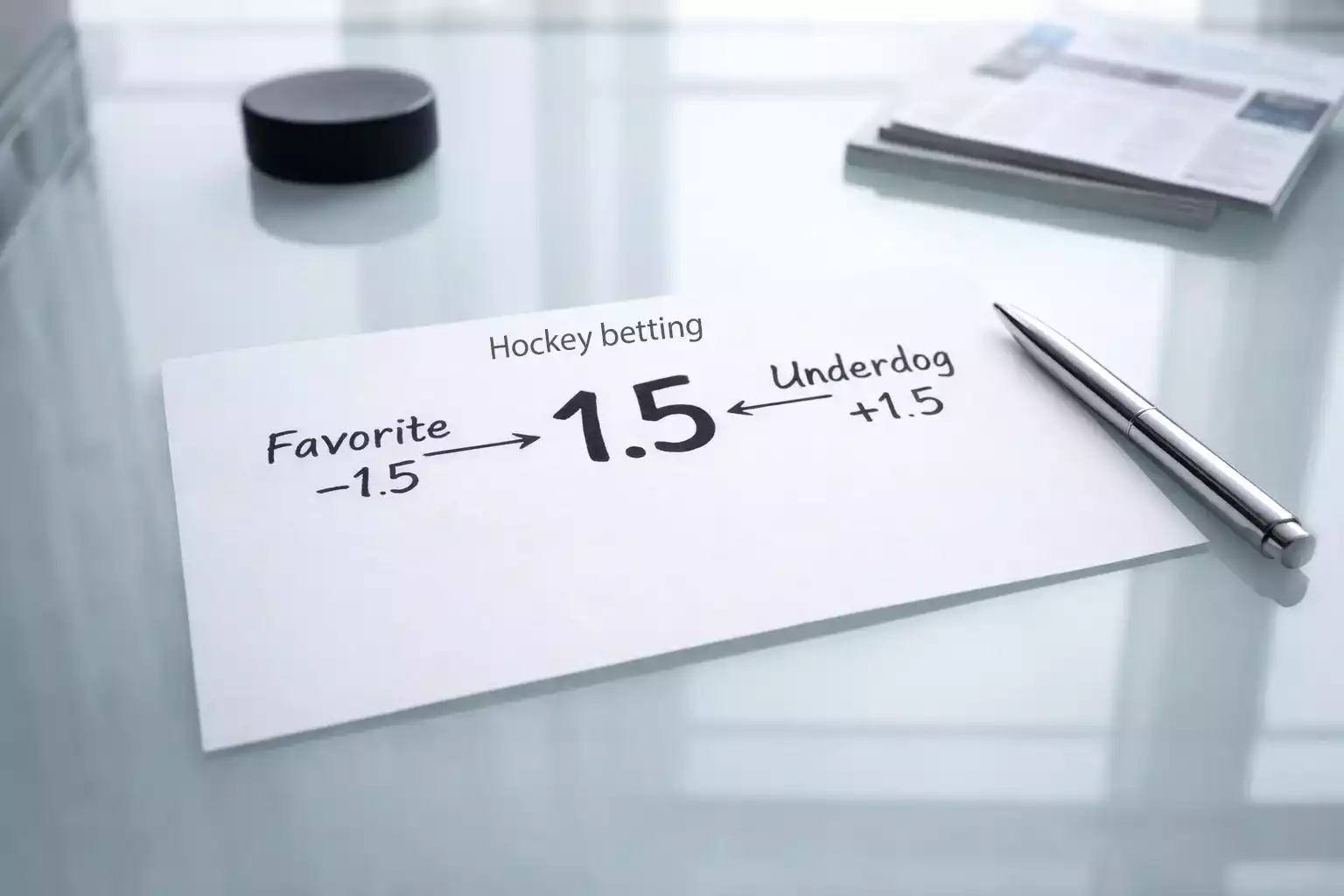
The standard puck line is set at one and a half goals. When you bet the favorite at minus one and a half, that team must win by two or more goals for your bet to cash. When you bet the underdog at plus one and a half, that team can lose by one goal and you still win, or they can win outright for the same result.
Puck line betting guide at hockey bets.
This creates an interesting dynamic that differs from traditional spreads. In football, a three-point favorite at minus one hundred ten might shift to a three and a half point favorite or a two and a half point favorite as money comes in. The spread moves. In hockey, the one and a half goal line typically stays fixed while the odds attached to it fluctuate.
If the market believes the favorite is extremely likely to win by multiple goals, you might see them at minus one and a half with odds of plus one hundred twenty. If the matchup is tighter, that same minus one and a half might carry odds of plus one hundred eighty or longer. The line tells you what margin is being predicted, while the odds tell you how confident the market is in that outcome.
This structure has profound implications. When you bet a favorite on the puck line, you are almost always getting plus-money odds because winning by two is harder than simply winning. When you bet an underdog on the puck line, you are typically laying significant juice because not losing by two is easier than winning outright. Understanding this inverse relationship between moneyline and puck line dynamics is essential.
The one and a half goal threshold matters specifically because it sits right at the boundary of typical game outcomes. Many games end with one-goal margins. Many end with two-goal margins. Relatively few end with margins of three or more in regulation. This positioning makes the puck line a genuine analytical challenge rather than a straightforward prediction about which team is better.
The Empty Net Factor
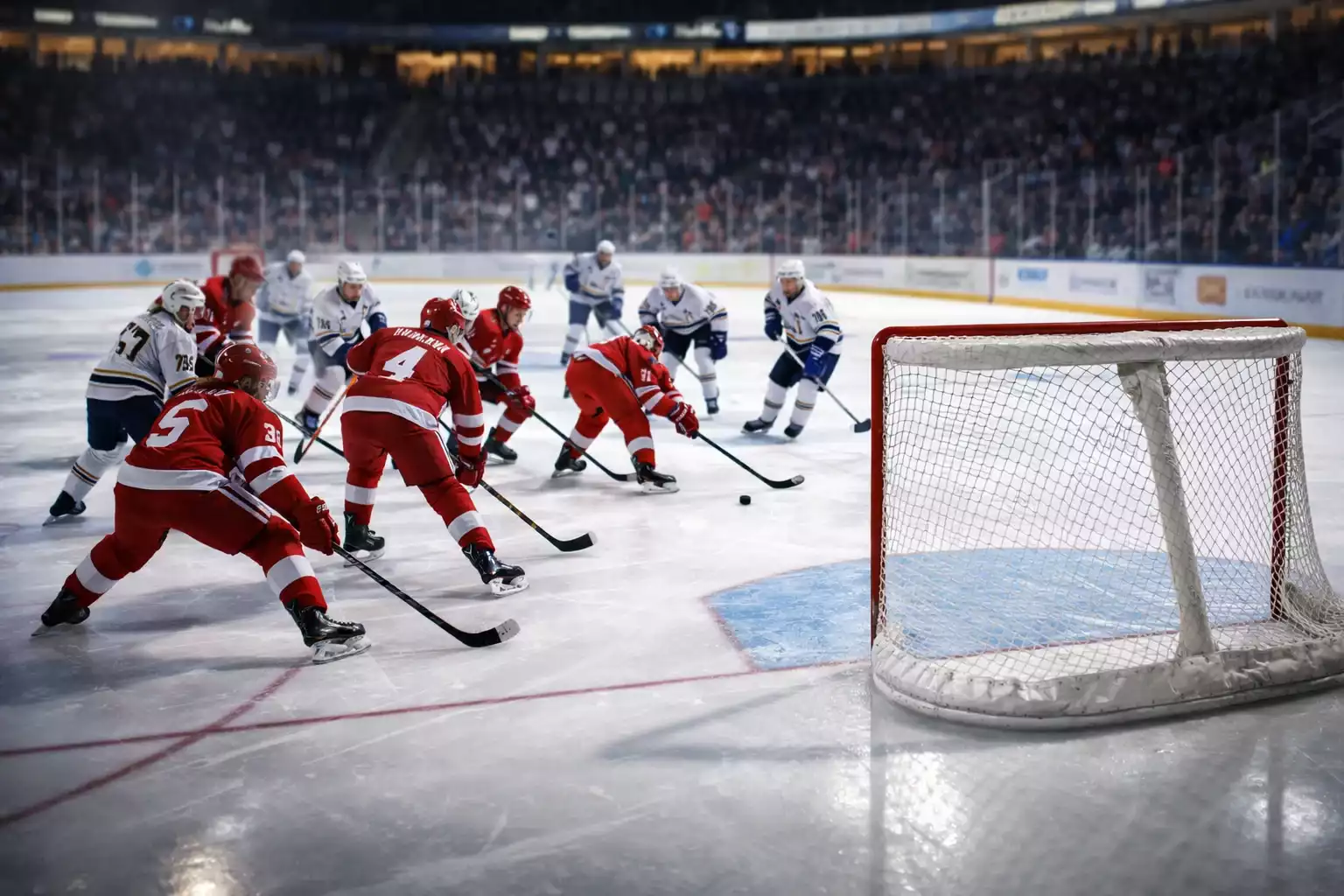
Here is where hockey betting gets genuinely interesting, and where many bettors from other sports get caught off guard. The empty net goal is not just an occasional occurrence. It is a strategic certainty that shapes how puck line outcomes distribute.
See also NHL betting odds explained.
When a team trails by one goal late in the third period, they almost always pull their goaltender for an extra skater. This is not a desperation move reserved for playoff games. It happens in virtually every close regular season game during the final two minutes. The trailing team gains a six-on-five advantage but leaves their net undefended.
The strategic gamble makes sense. Down by one with ninety seconds left, the alternative is almost certain defeat. Pulling the goalie gives you a legitimate chance to tie the game, and if you surrender an empty net goal, you have only lost by two instead of one. The difference between losing by one and losing by two is psychologically significant but strategically identical in terms of standings points.
For puck line bettors, this dynamic is transformative. Games that would have ended with one-goal margins become two-goal margins roughly thirty to forty percent of the time when the trailing team pulls their goalie. Empty net goals turn competitive games into results that look like comfortable wins.
Consider the implications. If you bet a favorite at minus one and a half, empty net goals work in your favor. A team leading by one in the final minutes has a real chance of scoring on the empty net, converting your losing puck line bet into a winner without needing to dominate the game. You win not because the favorite was much better, but because game theory created an advantageous situation.
Conversely, if you bet an underdog at plus one and a half, empty net goals are your enemy. You might be covering comfortably, down by one with two minutes left, and then the team you bet on pulls their goalie and surrenders an empty netter. Your bet that looked like a winner becomes a loss despite the underdog competing admirably.
This is not random bad luck. It is systematic market behavior that you need to account for in your analysis. The puck line is not simply about predicting margins. It is about predicting final margins after accounting for late-game strategic decisions that alter outcomes in predictable ways.
When to Bet Favorites at Minus One and a Half
Not all puck line favorite bets are created equal. Identifying the right situations to take minus one and a half requires understanding what factors increase the likelihood of a multi-goal victory.
Talent disparity is the obvious starting point. When a legitimate Stanley Cup contender hosts a rebuilding team, the probability of a two-plus goal victory increases substantially. But talent disparity alone is not sufficient. The betting market already accounts for team quality in the odds offered. To find value, you need to identify situations where the market underestimates blowout potential.
Goaltending matchups matter enormously here. A starter versus backup situation dramatically increases the favorite’s expected margin. Backup goalies tend to allow more goals, which obviously helps puck line favorites, but they also tend to allow goals in bunches. The difference between allowing three goals and allowing five goals is substantial for totals betting but less important for puck line purposes. What matters is whether the favorite can build a lead and maintain it.
Motivation asymmetry creates opportunities. A team fighting for playoff positioning against a team that has already clinched or been eliminated might play with different intensity levels. The market generally accounts for this, but not always fully. Games in the final week of the season often feature dramatic motivation gaps that push outcomes toward larger margins.
Schedule spots reveal value too. Teams on rest facing opponents on the second night of a back-to-back hold significant advantages that compound throughout the game. Fatigued teams do not just lose more often. They lose by larger margins as the third period wears on and legs become heavy. If the rested team builds an early lead, the tired team often cannot mount a comeback, leading to empty net situations that pad the final margin.
Special teams efficiency might be the most underrated factor. Teams with elite power plays can turn a one-goal game into a two-goal game with a single penalty. When a heavy favorite also has a top-five power play facing a team with a bottom-ten penalty kill, the potential for margin expansion increases. One fortunate power play goal changes everything.
When to Take Underdogs at Plus One and a Half

The underdog puck line represents a fundamentally different bet. You are not trying to pick winners. You are trying to identify games where the underdog will stay competitive regardless of the final outcome.
Defensive structure matters more than offensive firepower for plus one and a half bets. A team that plays tight, conservative hockey and limits high-danger chances against can lose games while covering the puck line consistently. They might only score two goals, but if they only allow three, you win. The final score does not need to favor them. It just needs to stay close.
Strong goaltending on the underdog side is your friend. A team with a capable starter who can steal the occasional game also tends to keep contests close even when he cannot quite steal them. The same goalie performances that result in narrow losses also result in puck line covers. You want underdogs whose losses tend to be competitive rather than blowouts.
Divisional matchups and rivalry games tend toward tighter margins. Teams that play each other four times per year develop familiarity that reduces variance. The inferior team knows the superior team’s tendencies, which helps them compete even when talent suggests they should be overmatched. These games rarely become blowouts because both teams are too familiar with each other’s systems.
Road underdogs in tough buildings sometimes offer plus one and a half value that the market misses. Public money often floods in on home favorites, pushing moneyline prices to expensive levels. But road teams do not lose by large margins nearly as often as their moneyline odds suggest. If you believe the underdog can compete but probably will not win, the puck line lets you express that view.
The key question to ask is not who will win, but how the losing team will lose. Will they collapse and surrender four or five goals? Or will they battle throughout and force the favorite to work for a narrow victory? Teams with strong team defense, good coaching, and veteran leadership tend toward the latter. Those are your plus one and a half candidates.
Alternative Puck Lines and When They Make Sense
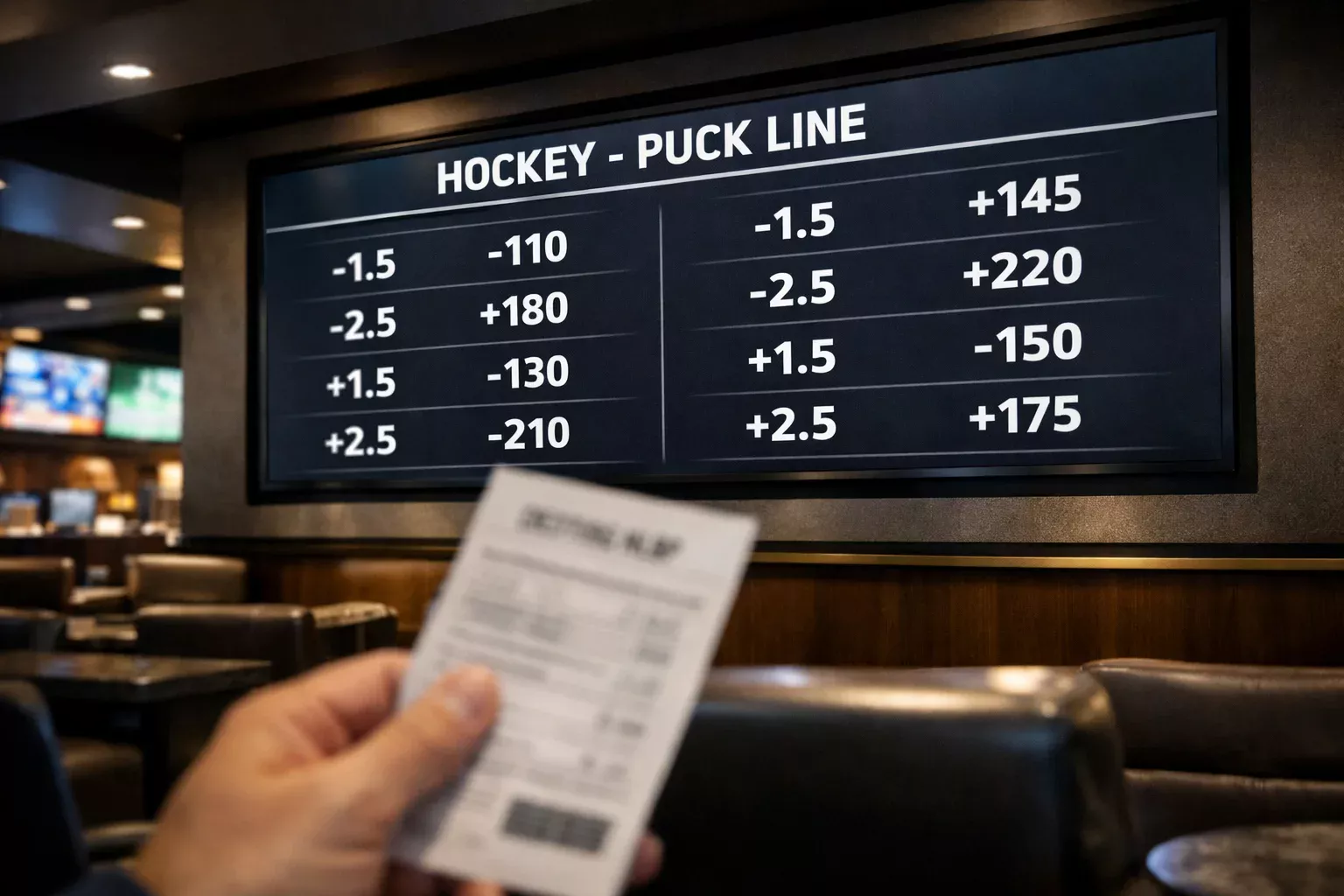
Beyond the standard one and a half, most sportsbooks offer alternative puck lines at different goal margins with adjusted odds. Understanding when these alternatives provide value expands your betting options.
The minus two and a half line for favorites offers substantial plus-money returns, sometimes north of plus three hundred, but requires a blowout. This line makes sense when you identify games with significant blowout potential that the market has not fully priced in. Maybe two backup goalies are facing off, or a team is missing key defensive players, or motivation factors suggest a lopsided effort. These situations are rare, but when they occur, the plus-money payoff can be worth the increased difficulty.
The plus two and a half line for underdogs comes with lower juice or sometimes plus-money odds. You are betting that even if the underdog loses badly, they will not lose catastrophically. This makes sense when you expect a loss but want action on the game with reduced risk. Teams with strong goaltenders and defensive structures rarely lose by three or more goals, making plus two and a half a relatively safe haven.
Alternate lines in the opposite direction also exist. Favorites at minus half a goal with heavy juice is essentially moneyline betting with worse value. Underdogs at plus half a goal is a bet that they will win or tie after regulation, excluding overtime. These lines rarely offer value but help illustrate the full spectrum of margin betting available.
The decision to use alternative lines should depend on your confidence in specific outcomes rather than a desire for bigger payoffs or lower risk. Do not chase plus-money on minus two and a half simply because the payout looks attractive. Use alternatives when your analysis genuinely supports the specific margin they represent.
Combining Puck Line with Other Bets
Sophisticated bettors often use puck line bets in combination with other wagers to create positions that express nuanced views on game outcomes.
The middle attempt is a classic approach. If you bet underdog plus one and a half early in the week and the line moves toward the favorite, you might bet the favorite moneyline later, creating a situation where you win both bets if the favorite wins by exactly one goal. The math rarely works perfectly, but when it does, you capture two winners on the same game.
Hedging scenarios emerge when futures positions are on the line. If you have significant money on a team to make the playoffs and they need to win their final game by multiple goals to clinch, the puck line lets you hedge against the specific scenario where they win but do not cover. You might sacrifice some potential profit but protect against devastating outcomes.
Same-game parlays involving the puck line can create correlated bets that the market does not always price correctly. If you believe a game will be high-scoring and one-sided, combining the favorite puck line with the over creates a position that profits from that specific scenario. Both outcomes become more likely given your thesis, even though the parlay odds treat them as somewhat independent.
Live betting on the puck line offers opportunities when early game flow differs from pregame expectations. If an underdog scores first and takes a lead, their plus one and a half live odds might offer significant value compared to the now-adjusted moneyline. You can take a position on their ability to stay close even if they eventually lose the lead.
Reading Puck Line for Market Information
Even if you do not bet the puck line regularly, paying attention to it provides valuable market intelligence about games you are considering for moneyline or totals wagering.
When puck line odds on the favorite are unusually generous, it often indicates the market expects a close game despite one team being favored. A favorite at minus one hundred fifty on the moneyline but plus one hundred eighty on the puck line suggests the market sees them winning narrowly more often than commanding. This information helps calibrate moneyline expectations.
Conversely, when puck line odds on the favorite are relatively tight, the market expects dominance. A favorite at minus one hundred forty on the moneyline but only plus one hundred thirty on the puck line suggests higher confidence in a multi-goal victory. These games might offer underdog value on the moneyline since the market is pricing in blowout potential that may not materialize.
Movement in puck line odds throughout the day reveals where sharp money might be landing. If moneyline moves slightly but puck line odds move dramatically, sophisticated bettors are expressing views about margin specifically. This divergence provides insight into how informed money sees the game playing out.
The relationship between puck line, moneyline, and totals creates a web of information. Sharp bettors analyze all three markets together, looking for inconsistencies that reveal value. If the total is high and the puck line suggests a close game, something might be mispriced. If the moneyline is heavy but the puck line is wide, the market might be overconfident in the favorite. These cross-market reads separate advanced bettors from those who view each market in isolation.
Realistic Expectations for Puck Line Betting
Puck line betting is not a shortcut to profits. Like all forms of sports wagering, it requires skill, discipline, and acceptance of variance. But it offers genuine opportunities for bettors who understand its unique characteristics.
The swings can be brutal. Empty net goals will cost you bets you deserved to win and deliver bets you were lucky to catch. Games you analyzed correctly will produce margins you did not expect. The one and a half goal threshold is razor thin, and outcomes regularly fall on both sides of it in ways that feel random even when they are not.
Bankroll management matters even more for puck line betting because the juice on underdog plus one and a half bets is substantial. Laying minus two hundred or worse means you need to win sixty seven percent just to break even on those specific wagers. If you are going to bet underdogs on the puck line consistently, you need a genuine edge and the bankroll to sustain the inevitable losing stretches.
Long-term success comes from identifying market inefficiencies and exploiting them consistently. Maybe you develop expertise in identifying blowout candidates. Maybe you find value in specific game situations where margins tend to surprise. Maybe you combine puck line betting with other markets in ways that create positive expected value. The specific edge matters less than having one.
The puck line is not the most popular way to bet hockey, but for bettors willing to understand its nuances, it offers opportunities that moneyline betting alone cannot provide. You gain the ability to express specific views about game margins, to find value on favorites without laying heavy juice, and to profit from competitive games that do not produce outright underdog wins. That flexibility, combined with genuine understanding of how hockey games actually end, makes puck line betting a valuable tool in any serious hockey bettor’s arsenal.
Developing Your Puck Line Strategy Over Time

Like any betting skill, puck line expertise develops through experience and deliberate practice. The concepts in this guide provide a foundation, but real improvement comes from applying these ideas to actual games and learning from the results.
Start by tracking puck line outcomes even on games you do not bet. Note the final margin, whether there was an empty net goal, what the pregame odds were, and what factors you think influenced the result. Over the course of a season, patterns emerge that inform future betting decisions. You might discover that certain team types consistently cover or fail to cover in predictable ways.
Pay particular attention to the final two minutes of close games. Watch how teams handle goalie-pull situations, how often they succeed in tying games versus surrendering empty netters, and which coaches are most aggressive with their timing. This granular knowledge about late-game strategy directly impacts puck line outcomes and is undervalued by most bettors who only check final scores.
Consider specializing in specific puck line situations rather than betting broadly. Maybe you develop expertise in identifying blowout candidates among heavy favorites. Maybe you become skilled at spotting defensive underdogs who consistently stay close. Specialization allows deeper knowledge that produces genuine edge, while broad betting often means shallow analysis across too many games.
The journey from novice to proficient puck line bettor takes time, but the destination is worthwhile. You will see hockey games differently, appreciating not just who wins but how they win and what that means for the margins that determine puck line outcomes. That deeper understanding improves all your hockey betting, not just the puck line wagers themselves.
