Goalie Analysis for NHL Betting: The Position That Moves Lines
 Available in US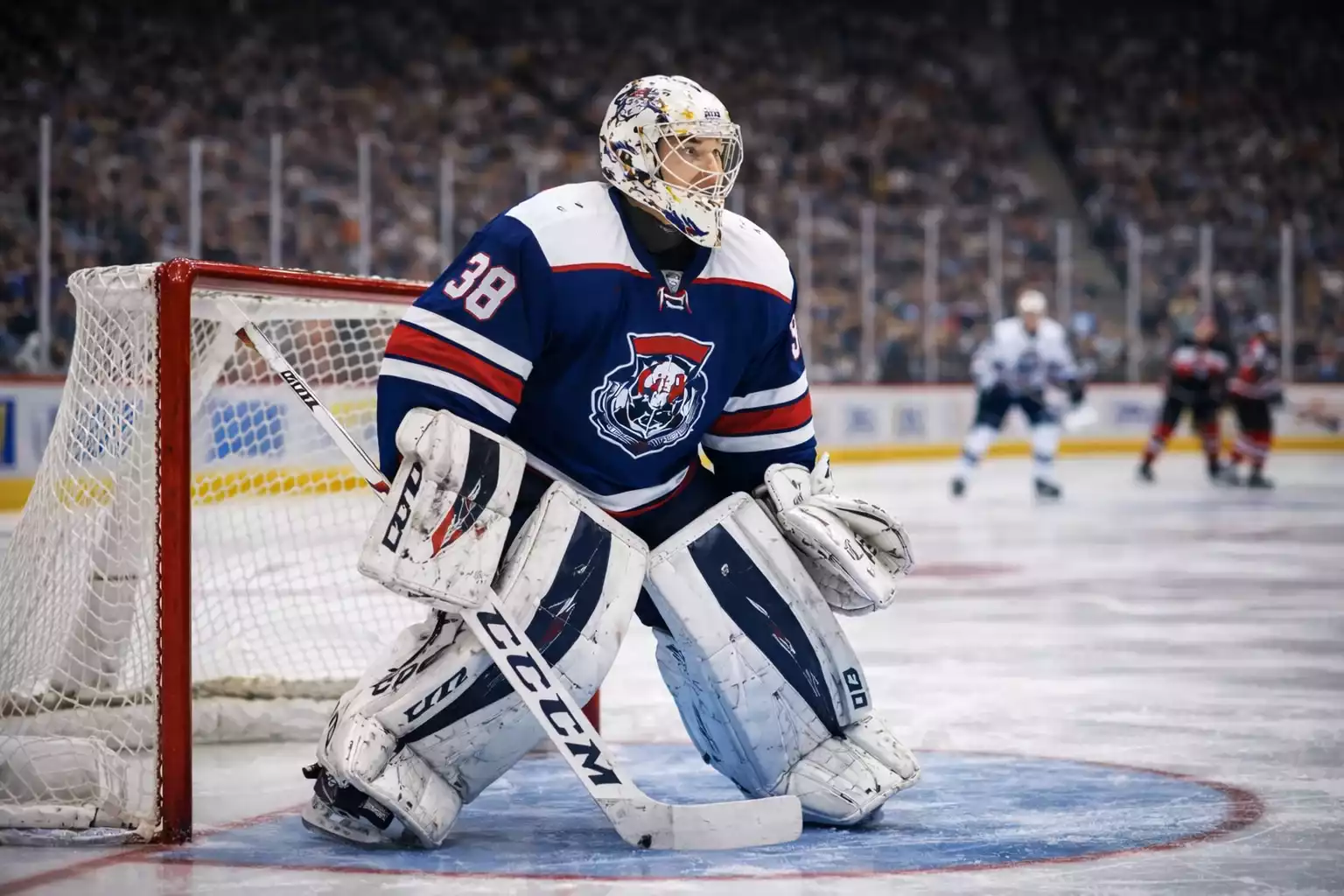
- Essential Goaltender Statistics
- Predicting Goaltender Starts
- Situational Factors in Goaltending Performance
- Reading Line Movement Around Goaltender News
- Advanced Goaltender Analysis
- Applying Goaltender Analysis to Betting Decisions
- Building Systematic Goaltender Intelligence
- The Evolving Nature of Goaltending Analysis
No position in professional sports carries more influence over betting outcomes than the hockey goaltender. A single player who touches the puck on nearly every defensive sequence, who can steal games his team has no business winning or surrender games they should dominate. Other sports have important positions. Quarterbacks matter. Star pitchers change series outcomes. But nothing compares to the game-by-game, bet-by-bet impact of NHL goaltenders.
Understanding goaltending is not optional for serious hockey bettors. It is the foundation upon which everything else rests. The same two teams playing on consecutive nights might be priced completely differently based solely on which goaltenders are starting. A backup announcement can move a line by twenty or thirty cents in minutes. Bettors who ignore goaltending or treat it as just another factor among many are leaving money on the table consistently.
This guide explores goaltender analysis from every angle that matters for betting. We will cover the statistics that actually predict performance, the patterns that reveal when goalies will start, the situational factors that affect goaltending quality, and the market dynamics that create value around goaltender-related line movements. By the end, you will think about goaltending differently than most bettors, and that difference will translate directly into improved betting results.
The mistake casual bettors make is treating goaltending as simple. Good goalie, bet the team. Bad goalie, fade them. But goaltending is contextual, variable, and influenced by factors that surface statistics cannot capture. The same goaltender performs differently based on opponent, rest, workload history, defensive support, and a dozen other variables. Developing nuanced understanding of these factors separates bettors who profit from goaltender analysis from those who merely acknowledge its importance without acting on it effectively.
Essential Goaltender Statistics

Not all goaltending statistics are created equal. Some predict future performance reasonably well. Others describe what happened without revealing much about what will happen next. Knowing which metrics to trust and which to use cautiously is foundational knowledge for goaltender analysis.
Goalie analysis for NHL betting at hockey bets.
Save percentage remains the most commonly cited goaltending statistic, and it has genuine predictive value when used appropriately. A goaltender’s save percentage tells you what proportion of shots faced he stopped. League average typically falls around ninety percent to ninety-one percent, with elite goalies reaching ninety-two percent or higher and struggling goalies dipping into the high eighties.
The challenge with save percentage is sample size. Goaltending performance varies significantly from game to game, and small samples produce unreliable save percentages. A goalie who stops ninety-five percent of shots over three games might be playing brilliantly or might be facing low-quality chances while running hot. Conversely, a goalie at eighty-five percent over three games might be struggling or might be facing elite competition and brutal shot quality. Raw save percentage without context misleads more than it informs.
Goals against average measures how many goals a goaltender allows per sixty minutes of play. This statistic is even more dependent on team quality than save percentage because it incorporates how many shots the goalie faces. A goaltender behind a strong defensive team faces fewer and easier shots, producing a lower goals against average regardless of his actual skill level. A talented goalie on a weak defensive team might post a mediocre goals against average despite making difficult saves consistently.
For betting purposes, goals against average tells you more about the team than the goaltender. Use it to understand what scoring environments games might produce, but do not rely on it to evaluate goaltender quality in isolation.
High-danger save percentage isolates performance on the shots that matter most. Shots from the slot, the crease, and other premium scoring locations are classified as high-danger chances. A goaltender’s ability to stop these shots reveals more about his true skill than his performance on perimeter attempts that almost never go in anyway. Elite goalies consistently post high-danger save percentages above eighty-three percent while league average sits around eighty-one percent.
Goals saved above expected has become the gold standard for evaluating goaltender performance. This metric compares actual goals allowed to expected goals allowed based on the quality of shots faced. A positive goals saved above expected means the goaltender is outperforming expectations, stopping more goals than an average goalie would have given the same shot quality. A negative number indicates underperformance.
The beauty of goals saved above expected is that it accounts for shot quality, defensive support, and opponent strength all at once. It answers the question that really matters: is this goaltender helping or hurting his team relative to what a replacement-level goalie would provide? For betting, positive goals saved above expected goaltenders offer more value than their team’s record might suggest, while negative goalies are liabilities regardless of their win totals.
Predicting Goaltender Starts

Lines move when goaltender information becomes available. If you can anticipate starts before the market adjusts, you capture value that disappears once announcements are made. Developing pattern recognition for goaltender deployment is a genuine edge that requires attention but rewards diligence.
Back-to-back games produce the most predictable starter patterns. Almost universally, teams use different goaltenders for each game of a back-to-back set. The starter typically plays the first game while the backup gets the second game, though some teams reverse this based on opponent strength or travel schedules. Knowing a team’s historical back-to-back patterns lets you predict the second game starter with high confidence.
Workload management creates longer-term patterns. Most starting goaltenders play somewhere between fifty and sixty games per season out of eighty-two. Backups handle the remaining twenty-five to thirty starts. Teams generally avoid playing their starter in more than three consecutive games and often give rest after particularly demanding stretches. Tracking a starter’s recent workload helps predict when a backup start becomes likely.
Injury and illness complicate predictions but also create opportunity. When a starter is questionable with a minor injury, the market often remains uncertain until official announcements. If you have information sources who report on practice participation or morning skate presence, you can sometimes anticipate these decisions before lines move. Even without inside information, paying attention to injury report timelines helps you position appropriately.
Some teams announce starters the night before games while others wait until morning. Learning each team’s announcement patterns helps you know when to expect information and how quickly to act once it arrives. A team that consistently announces at eight o’clock in the morning Eastern time gives you a specific window to monitor. A team that waits until warmups creates more uncertainty but also more potential for late movement.
The market is efficient about goaltender information in the sense that lines adjust quickly once announcements occur. Your edge comes from either getting information faster than the market or from correctly predicting announcements before they happen. Both approaches require systematic attention to team patterns and information sources.
Situational Factors in Goaltending Performance
Raw statistics do not capture everything. Goaltenders perform differently in different situations, and understanding these situational variations improves your ability to predict game-specific performance.
Home versus road splits matter for many goaltenders. The home crowd, familiar surroundings, and last-change advantage that lets coaches get favorable matchups all contribute to better home performances. Some goalies have dramatic home-road splits while others perform consistently regardless of venue. Checking individual goaltender splits for home-road differences helps you adjust expectations based on game location.
Performance against specific teams varies widely. A goaltender might own one opponent while struggling against another based on shooting styles, historical matchups, or psychological factors. Some goalies thrive against high-volume teams because they stay engaged with frequent action. Others prefer facing fewer shots of higher quality because it suits their positioning style. Tracking goaltender performance by opponent reveals patterns the market sometimes ignores.
Fatigue from recent heavy workloads degrades performance. A goaltender who has played three games in five days often performs worse in the fourth game regardless of rest between starts. The cumulative stress of facing large shot volumes catches up even with adequate sleep. When analyzing a goaltender start, consider not just how many days since his last game but how demanding his recent schedule has been.
Returning from injury creates uncertainty. A goaltender cleared to play after missing time might be physically ready but mentally tentative. He might lack game rhythm after practicing but not competing. First games back from injury often produce inconsistent performances as goalies find their timing. Being cautious about goalies in their first start after injury is prudent until they demonstrate they have fully recovered.
Backup goaltenders facing starter workloads present unique situations. When a starting goalie goes down long-term, the backup suddenly faces every-other-day schedules he is not accustomed to. Some backups rise to the occasion while others wilt under increased demands. The first few starts of an extended absence often tell you how the backup will handle the workload.
Reading Line Movement Around Goaltender News
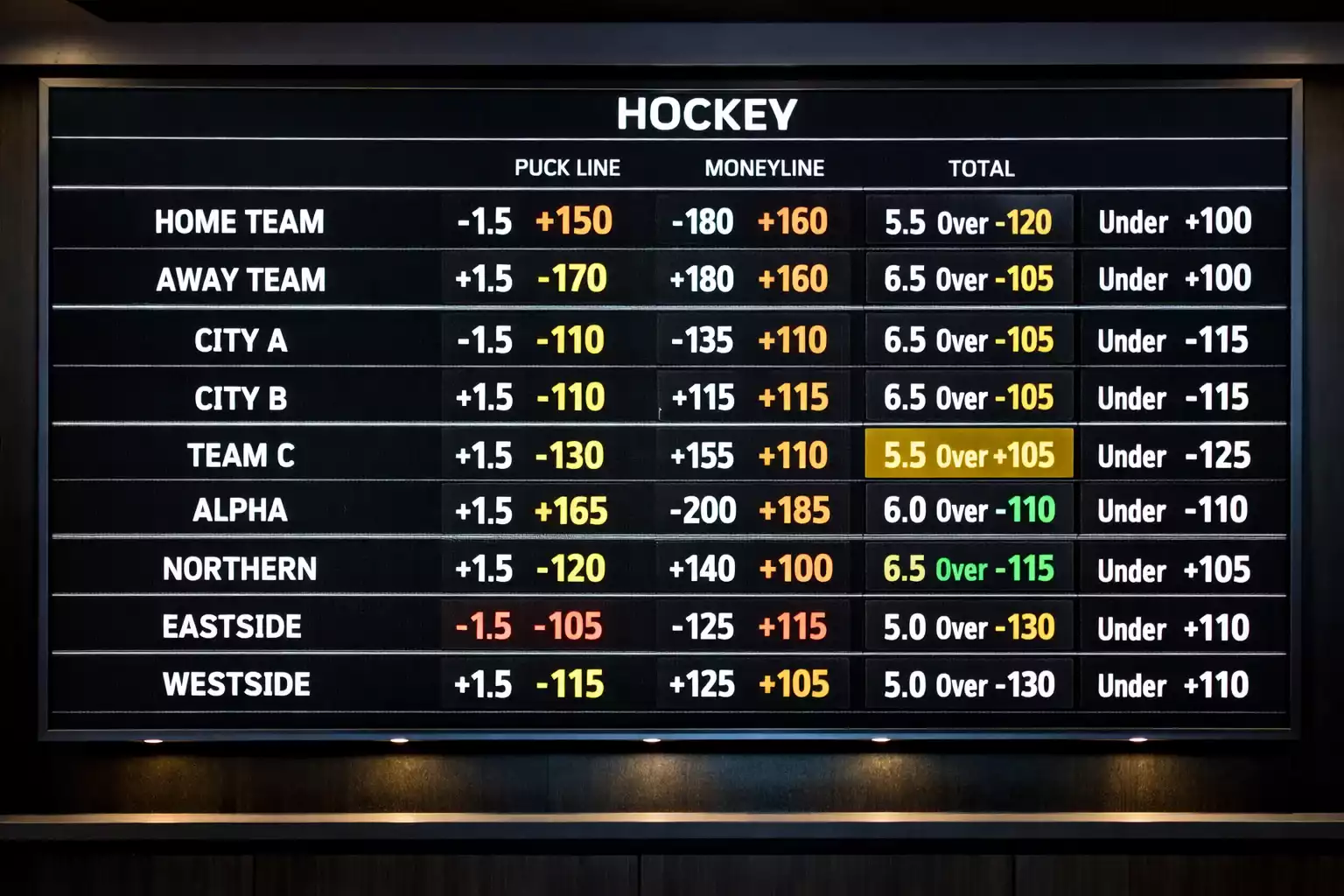
Goaltender information creates some of the most predictable line movements in hockey betting. Understanding how markets react helps you position before moves occur or identify when moves are incomplete.
See also live NHL betting tactics.
When a backup goaltender is announced for a team that was favored with their starter expected, the line typically moves toward the opponent. A team that opened at minus one hundred fifty might drift to minus one hundred thirty or minus one hundred twenty once backup confirmation arrives. The market is repricing the game based on reduced goaltending quality.
The magnitude of these moves depends on the quality gap between starter and backup. Teams with elite starters and mediocre backups see larger swings than teams with two competent goaltenders. If you track these gaps across the league, you can anticipate which announcements will move lines most significantly.
Sharp bettors often bet into expected goaltender situations before announcements. If they believe a backup will start and take the opponent at plus one hundred forty, a subsequent move to plus one hundred twenty after announcement confirms their position and closes the value window. Recreational bettors who wait for certainty often find the best prices gone.
Sometimes the market overreacts to goaltender news. A backup announcement might move a line further than the actual skill difference justifies. When this happens, value appears on the team with the backup. Just because a backup is starting does not mean his team cannot win. It just means they are slightly less likely to win than with the starter. If the line moves beyond that probability adjustment, contrarian bettors can exploit the overreaction.
Identifying incorrect lines requires knowing the true quality difference between starters and backups around the league. This means tracking backup performances all season, not just acknowledging they exist. When a backup who has quietly posted solid numbers in limited action gets announced, and the market overreacts because his name is unfamiliar, value emerges for those who have done the homework.
Advanced Goaltender Analysis
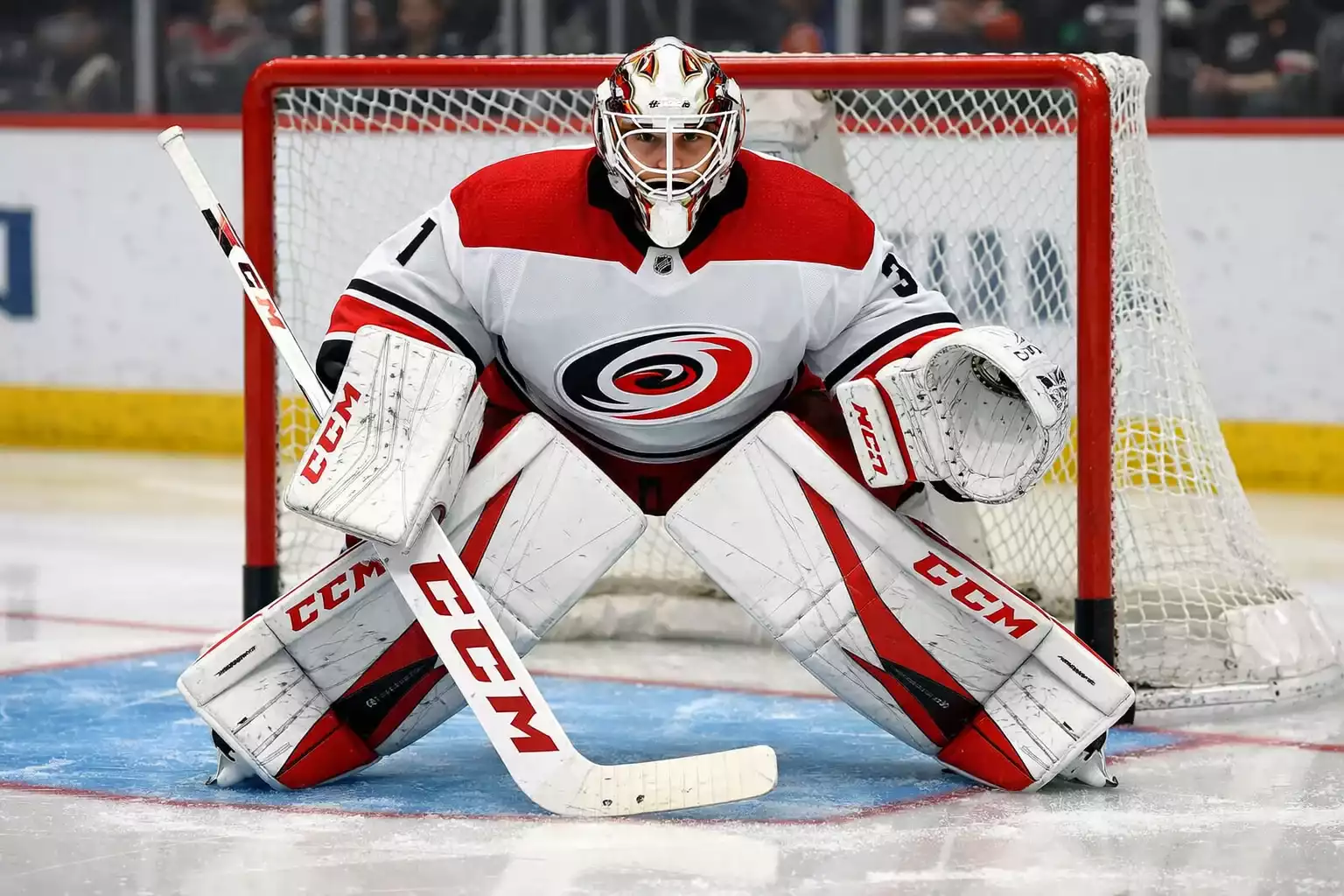
Beyond basic statistics and pattern recognition, advanced analysis techniques provide deeper insight into goaltender quality and expected performance.
Tracking save percentage by shot location reveals goaltender-specific strengths and weaknesses. Some goalies are exceptional on high shots but vulnerable low. Others smother everything in tight but struggle with long-range attempts. Matching these tendencies against opponent shooting patterns helps predict game-specific performance. If a team generates most of its offense from the high slot against a goalie who excels there, his performance will likely exceed expectations.
Rebound control separates elite goalies from average ones. A goaltender who steers rebounds to safe areas or absorbs shots completely limits second-chance opportunities. One who kicks rebounds into dangerous areas creates extra chances for opponents even when making the initial save. Advanced metrics tracking rebound frequency and rebound danger provide insight into which goalies create extra opportunities against.
Puck-handling ability affects overall team performance in ways that do not appear in goaltending statistics directly. Goalies who can play the puck help their teams break out more efficiently, reducing time spent in the defensive zone. This indirect contribution matters for puck line and totals betting even though it does not show up in save percentage.
Performance under pressure varies among goaltenders. Some maintain or improve their play as games tighten while others falter when outcomes hang in the balance. Third-period save percentage in close games indicates clutch performance. Goalies who elevate late provide value in close-spread situations where the final minutes determine outcomes.
Age and career trajectory influence expectations. Young goalies often have higher ceilings but more inconsistency as they develop. Veteran goalies offer reliability but may be declining physically. Identifying where a goaltender sits in his career arc helps calibrate expectations appropriately.
Applying Goaltender Analysis to Betting Decisions
All this information only matters if you translate it into betting action. Here is how goaltender analysis integrates with practical betting decisions across different markets.
For moneyline betting, goaltender quality directly impacts win probability. When you believe the market is mispricing a team due to goaltender factors, whether overvaluing a backup announcement or undervaluing an underrated starter, the moneyline is the cleanest way to express that view. Focus on situations where your goaltender assessment differs meaningfully from market pricing.
Puck line betting incorporates goaltender analysis differently. Strong goaltending keeps games close, which favors underdogs on the puck line. Weak goaltending creates blowout risk, which can favor favorites at minus one and a half. Consider not just who you expect to win but how the goaltending matchup affects likely margin.
Totals betting is perhaps most directly influenced by goaltending. When both teams have their starters and both goalies are playing well recently, unders deserve consideration. When backups face each other or one side has a struggling goaltender, overs become more attractive. The simplest totals edge often comes from identifying goaltender situations the market has not fully incorporated.
Prop betting on goaltender saves connects directly to this analysis. Your work understanding shot volumes, game flow, and opponent tendencies pays off in save prop markets where that information determines outcomes.
Live betting creates opportunities when goaltender performance differs from expectations within games. If an underdog’s goalie is standing on his head in the first period, live moneyline odds might not fully reflect his hot start. If a favorite’s goalie looks shaky early, live odds might still be too short before goals actually go in.
Building Systematic Goaltender Intelligence

Becoming genuinely skilled at goaltender analysis requires systems for gathering and organizing information. Random observation produces random results. Systematic tracking produces reliable edge.
Maintain a database of goaltender performances that goes beyond what public sites provide. Track not just statistics but context like opponent quality, rest situations, and any factors that might have affected the performance. Over time, this database becomes an invaluable resource for identifying patterns public data misses.
Follow team beat reporters for all thirty-two NHL teams. These journalists often report goaltender information before official announcements. They provide context about injuries, workloads, and coaching tendencies that help you predict starts. Building a comprehensive Twitter list or RSS feed of reliable beat reporters takes initial effort but pays ongoing dividends.
Watch goaltenders play, not just their statistics. The eye test reveals things numbers cannot capture. A goaltender might be posting decent save percentages while looking uncomfortable and making desperation saves that suggest regression coming. Another might be allowing goals on unlucky bounces while looking technically sound, suggesting positive regression ahead. Video review supplements statistical analysis in irreplaceable ways.
Compare your predictions to actual outcomes systematically. If you predict goaltender starts, track your accuracy rate. If you predict goaltender performance will exceed or fall short of expectations, track whether those predictions prove correct. Honest assessment of your analytical track record reveals where your process needs refinement.
Goaltender analysis is never complete because goaltenders change throughout seasons. Slumps emerge, hot streaks develop, injuries affect performance, and confidence ebbs and flows. The work of monitoring goaltending around the league is ongoing throughout every NHL season. Bettors who maintain consistent attention to goaltending develop intuition that casual observers never achieve.
The goaltender position offers hockey bettors an analytical edge unavailable in other sports. No other professional sport has a single position that influences outcomes so dramatically and so predictably. Mastering goaltender analysis takes time and effort, but the edge it provides justifies the investment many times over. In a betting market where small advantages compound over hundreds of wagers, deep goaltending knowledge is among the most reliable sources of sustainable profit.
The Evolving Nature of Goaltending Analysis
Goaltending analysis is not static. The position itself evolves as coaching strategies change, athletic styles shift, and new metrics emerge to capture performance. Staying current with these developments maintains your analytical edge over time.
Modern goaltending emphasizes efficiency and positioning over athletic desperation saves. The butterfly technique that dominated for decades is now augmented by hybrid approaches that optimize coverage across shooting angles. Understanding these technical evolutions helps you evaluate goaltenders more accurately. A goalie who looks calm and rarely makes spectacular saves might actually be more reliable than one who constantly bails himself out with acrobatics, because the calm goalie is consistently in position.
Analytics continue refining how we measure goaltending. New metrics emerge regularly that capture aspects of performance previous statistics missed. Goals saved above expected was revolutionary when introduced but is now being supplemented by positional tracking data that reveals even more about why some goalies succeed. Bettors who stay current with analytical developments maintain advantages over those relying on outdated evaluation frameworks.
Teams are experimenting with goaltender usage patterns that challenge traditional assumptions. Some coaches now play their starters less frequently, preserving them for playoff pushes rather than grinding through regular season workloads. Others are more willing to ride hot hands regardless of normal rotation patterns. These shifting philosophies affect start predictions and require updating your mental models of how teams deploy their goaltenders.
The backup goaltender market has become more competitive as teams recognize its importance. Rebuilding teams often lack quality depth, but contenders increasingly ensure their backups can hold down the fort for stretches. This compression of the starter-backup quality gap affects how much lines should move on goaltender announcements. Tracking league-wide backup quality helps you identify when markets are over or underreacting to specific announcements.
Your goaltender analysis framework should evolve each season based on what you learn. New information sources might emerge. New statistical approaches might prove valuable. Old assumptions might prove outdated. The bettors who thrive long-term treat their analytical process as a living system that improves continuously rather than a fixed approach applied mechanically season after season. This commitment to growth, combined with deep attention to the most important position in hockey, creates durable betting edge that recreational bettors simply cannot match.
